 Inquiry Form



 Inquiry Form
What Are Marine Lubricants and Why Are They Important?
Marine vessels operate in some of the world's most demanding environments, where engines and onboard machinery work continuously under high loads, varying temperatures, and harsh sea conditions. To ensure reliable performance and long service life, proper lubrication plays a vital role.
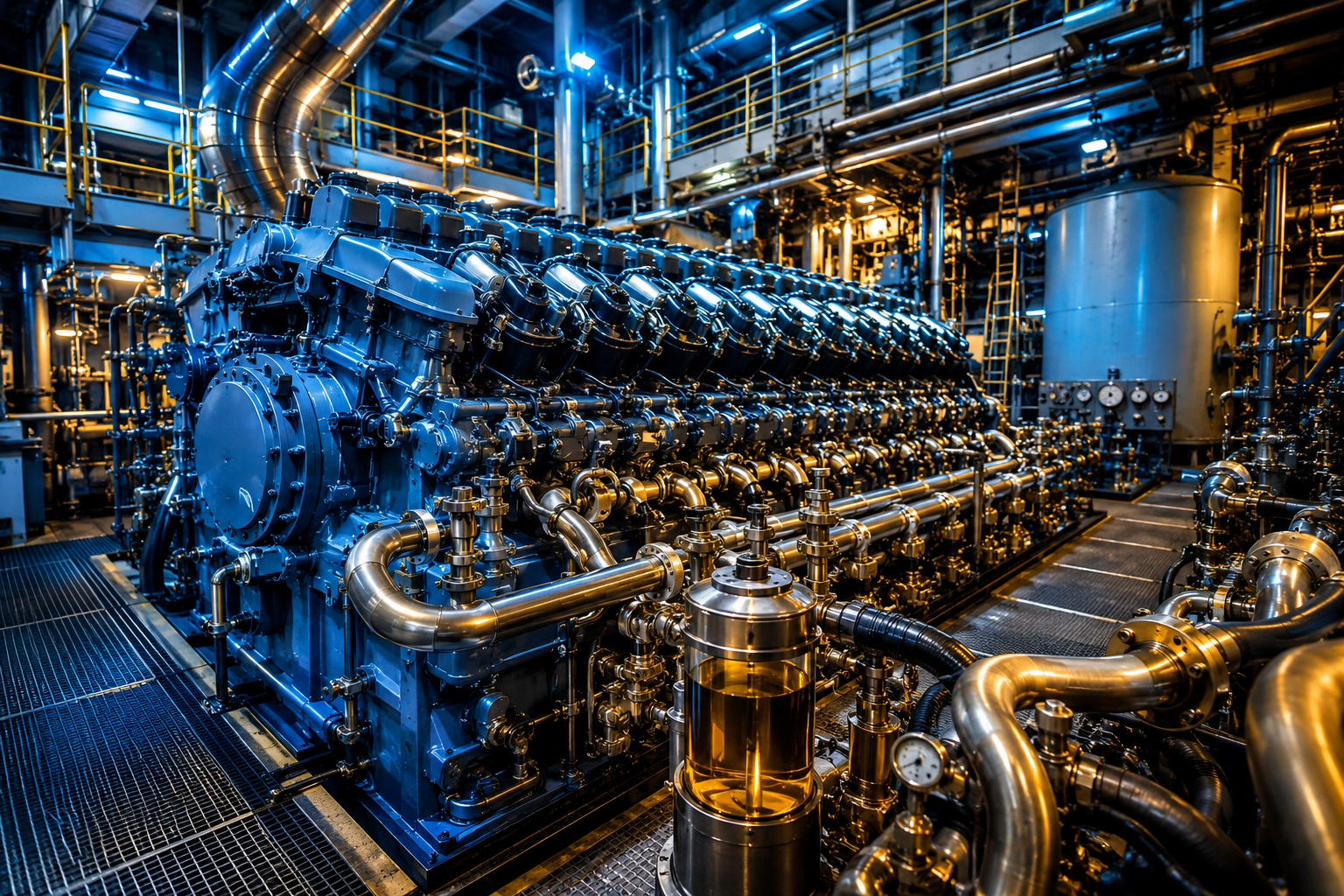
Marine lubricants are specially formulated oils and greases designed to reduce friction, protect components from wear, prevent corrosion, and support efficient operation of marine equipment. They are used across a wide range of applications, including main engines, auxiliary engines, hydraulic systems, gearboxes, compressors, and deck machinery.
Why Are Marine Lubricants Important?
Reduce Friction and Wear
Marine lubricants create a protective film between moving metal surfaces, minimizing friction and reducing mechanical wear during continuous operation.
Improve Equipment Reliability
Consistent lubrication helps critical machinery perform efficiently, reducing the likelihood of unexpected failures and operational interruptions.
Protect Against Corrosion
Marine environments expose equipment to moisture and salt, increasing the risk of corrosion. Quality lubricants help protect metal components from rust and deterioration.
Support Heat Management
Lubricants help dissipate heat generated by moving parts, contributing to stable operating temperatures and improved equipment performance.
Extend Equipment Life
Proper lubrication reduces component wear, helping extend the service life of engines and mechanical systems while supporting long-term operational reliability.
Choosing the Right Marine Lubricant
Selecting the appropriate lubricant depends on several factors, including equipment type, operating conditions, manufacturer recommendations, load requirements, and environmental conditions. Using the correct lubricant supports reliable performance and efficient maintenance practices.
The Role of AEROX Marine
At AEROX Marine, our focus is on delivering reliable marine lubrication solutions that support modern maritime operations. We are committed to quality, performance, and long-term reliability while developing solutions that meet the evolving needs of the global marine industry.
Conclusion
Marine lubricants are an essential part of efficient vessel operation. By reducing friction, protecting critical components, and supporting reliable performance, they help improve equipment longevity and operational efficiency. Choosing the right lubrication strategy contributes to safer, more dependable, and cost-effective marine operations.